Comparison
Riverside fixes the recording. It does not fix the folder.
Recording quality is the first bottleneck in video. Riverside solves it properly, guests and separate tracks included. Then the files sit in a folder unedited, and that is a different bottleneck. This page covers where the queue actually forms, what clearing one file costs, and how Cutroom finishes an ad in four minutes.
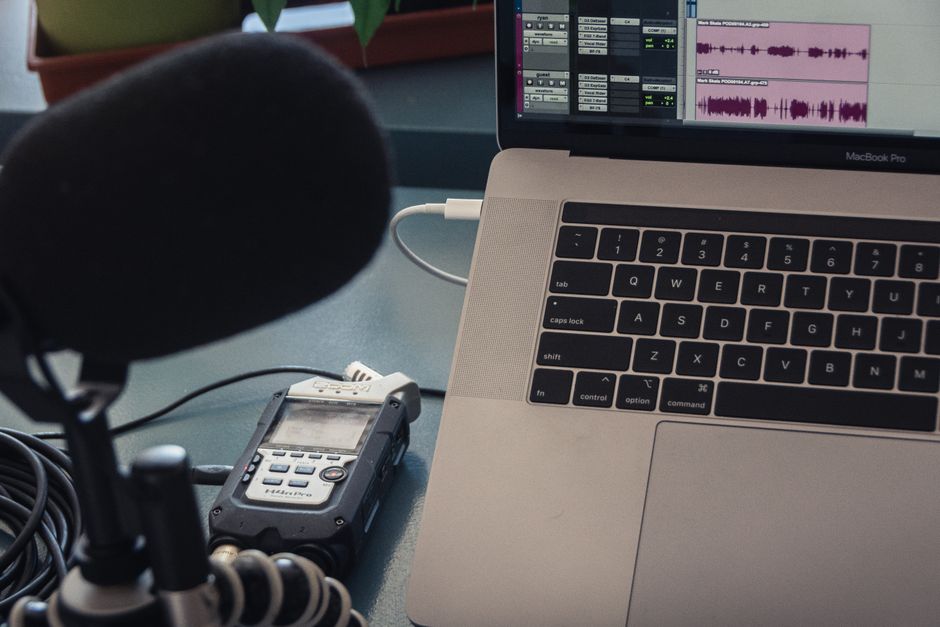
- recording features in Cutroom
- 0
- the longest take it accepts
- 3 min
- attention between upload and export
- 4 min
Remote guests and clean audio is a hard problem, and Riverside actually solves it
Recording each participant locally rather than over the call is the difference between usable audio and a compressed mess.
Separate tracks per speaker keep the edit fixable later. Nothing is baked in at the moment of recording.
The failure it prevents is unrecoverable. A guest who will not sit down twice, recorded badly, is a lost episode.
For interviews and any conversation with someone in another city, that is a real engineering answer to a real problem.
Now the second bottleneck, which appears the day the first one is solved. The files are clean and nobody has cut them.
Every take still needs captions, coverage on the claims, a pace that holds and an opening that earns three seconds.
That is where the queue forms, and no microphone shortens it.
Cutroom starts there. One clean take goes in. A finished 9:16 MP4 comes out, captions burned in and footage on the words you marked.
Clean audio and eleven unedited takes is still eleven unedited takes
Eleven takes are sitting in a folder. Two of them got posted. That was six weeks ago.
Nothing about the audio chain caused that. Nothing about the audio chain will fix it.
Check the dates on the files. A newest file a fortnight old and unposted means the bottleneck has already moved.
Buying more capture capacity at that point adds to the pile. It does not clear it.
The clearing is one batch of 100 credits per take. Transcript, director pass and b-roll search, all in it.
What comes back is a drafted cut with captions burned in, not a project to start.
You change it by marking words. Four minutes of attention, then a 9:16 file you can upload.
Two takes cleared this afternoon is a different folder by Friday.
Two bottlenecks, in order
A studio clears the first. The second is where a 100-credit batch and eleven marks come in.
Recording quality
Studio tools solve this
Clean files in a folder
Where the queue starts
Transcribe and draft
Batch: 100 CR
Mark the transcript
Delete, highlight, pace
Captioned 9:16 MP4
20 CR a minute
This is the whole editor
Highlight a phrase and a clip lands on those exact words. No timeline, no keyframes, no layers.
Highlight the phrase and the picture lands on those words
Upload a talking-head take of up to three minutes. It comes back transcribed, drafted and captioned as a vertical MP4.
Highlight a phrase and a clip covers exactly it. Swap the clip, or search millions of free ones.
Delete a line and the cut rebuilds around the gap. Change the pace and the whole piece re-cuts.
Emphasise the word your claim turns on so it pops in the captions. Fix a mis-heard word and the text follows.
Write the opening headline or take the drafted one, then export at 20 credits a finished minute.
No timeline, no keyframes, no layers. Eleven marks and a file you can upload.
Coverage is capped by pace: 40 percent on chill, 45 on normal, 52 on fast. The speaker stays the spine of the ad.
Trim the opening or the ending. Write the headline that carries the first three seconds.
- Six caption packs, coverage capped at 40, 45 or 52 percent by pace
- Batch 100 credits covers transcript, director pass and b-roll search
- A second export from the same take does not re-charge the batch
- Someone has to be on camera, or own a photo the avatar module can drive
The specification: one clean take in, one uploadable file out
It takes one talking-head take of up to three minutes, filmed or recorded wherever you like.
It returns a 9:16 MP4 with captions burned in and coverage placed. That is the only shape it makes.
There is no studio and no capture of any kind inside the product.
There is one speaker per take. No separate tracks, no two people on screen, no conversations.
There is no audio repair, so a rough recording exports rough with captions on it. Fix capture upstream, then bring it here.
There is no timeline underneath, no scheduler, and nothing of yours is stamped on the export.
That is the boundary between a studio and a cutting room. They are complements, and the next section says which one is costing you now.
The edit is what caps the count, and the count is what finds a winner
Winners run at 5 to 8 percent of creatives, per Motion's analysis of 550,000+ Meta ads.
Six creatives a month draws under one winner. Most people ship six because of the edit, not the recording.
A second cut of a take already transcribed is 20 credits a minute and about four minutes. The batch does not run again.
So the idea you were unsure about gets made anyway. That is the behaviour that moves the number.
One finished minute from a fresh take is about 120 credits. Seven days and 300 credits with no card covers two.
Keep the studio. Unusable audio is the one problem nothing downstream can repair.
Then clear two files from that folder this week and see which bottleneck was actually costing you.
Riverside and Cutroom, row by row
The top two rows go to Riverside and nothing replaces them. The rest is what happens to the file once it is recorded.
| Riverside | Cutroom | |
|---|---|---|
| Records remote guests | Locally, per participant | No recording at all |
| Multi-track, long sessions | Full episodes, per speaker | One take, 3 minutes |
| Cut drafted for you | Clip tools exist | Whole cut, then marks |
| Coverage on a chosen phrase | Not the job | Highlight, clip lands |
| Cut rebuilds when a line goes | Trim it yourself | Delete, and it recompiles |
| Music generated under the read | Bring your own | Described style, 20 CR |
| Time from file to finished ad | Still needs an edit | About four minutes |
Questions people ask
- Can Cutroom record my take?
- No. There is no camera, no studio and no capture tooling. You film on whatever you have and upload a file of up to three minutes.
- Can I cut a recorded interview here?
- Not if two people are on screen. This handles one speaker per take. A clip of a single person under three minutes works, and anything else needs a different tool.
- Will it improve poor audio?
- No. There is no audio repair or enhancement. A rough recording produces a rough export with captions on it, which is a good argument for fixing the capture side first.
- Who should walk away?
- Anyone whose takes are still unusable when they arrive. Fix capture first, because nothing downstream repairs it. Come back when the folder is full of clean files nobody has cut.
A studio hands you clean files. Cutroom hands you the finished ad from one of them, captions burned in and footage on the claim, in about four minutes.